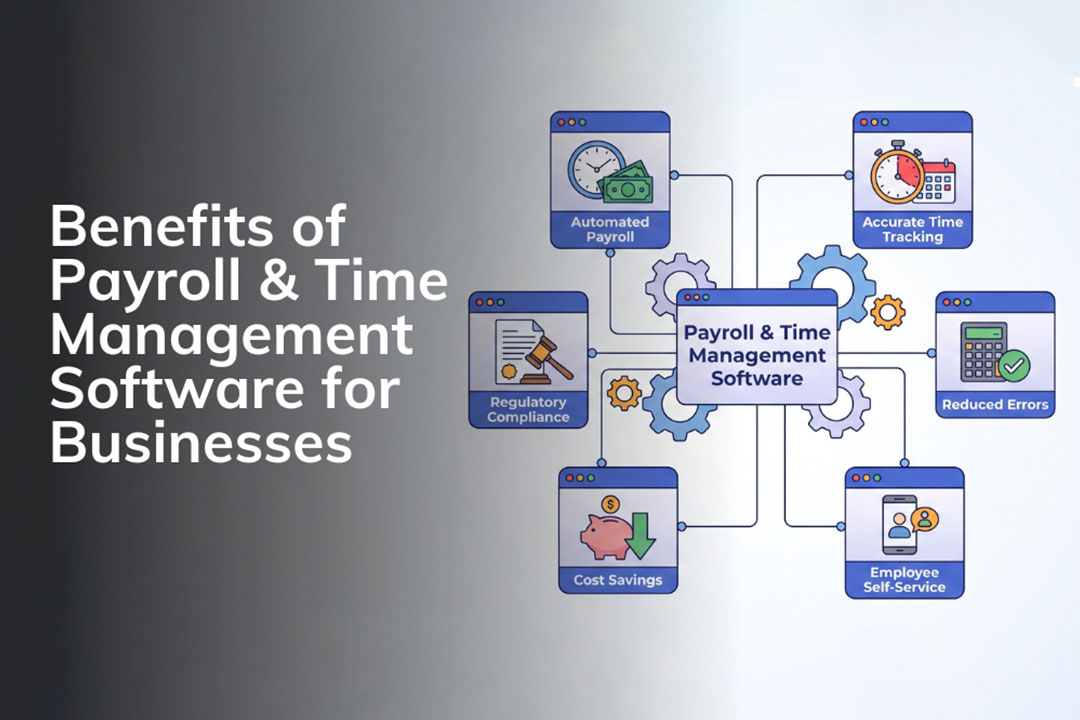
Managing salaries, attendance, work hours, and compliance becomes increasingly challenging as a business grows. Manual calculations, paper timesheets, and spreadsheets often create delays, payroll errors, and unnecessary administrative work. Modern Payroll and time management software solves these challenges by combining paysheet processing with accurate attendance records and employee work-hour data in one centralised platform.
Organisations that invest in employee payment and time management solutions streamline HR operations, reduce operating costs, strengthen compliance, and create a more efficient workplace. By automating routine processes, HR and finance teams can dedicate more time to workforce planning, employee development, and strategic business initiatives.
Why Businesses Need Payroll and Time Management Software
Every organisation depends on efficient salary administration and reliable workforce records. Even small compensation mistakes can affect employee trust, financial reporting, and legal compliance.
An integrated salary and time management system helps businesses:
- Process salaries accurately
- Track attendance automatically
- Reduce payroll processing time
- Eliminate duplicate data entry
- Improve workforce productivity
- Maintain organised employee records
- Generate reports for informed decision-making
As organisations expand, managing workforce operations becomes more complex. An integrated system keeps payroll and attendance processes organised while reducing the workload on HR teams.
1. Reduces Payroll Errors
Manual wage calculations leave room for mistakes. Incorrect overtime calculations, missed deductions, duplicate entries, and inaccurate attendance records often lead to salary disputes.
Modern software automatically calculates:
- Basic salaries
- Overtime
- Bonuses
- Allowances
- Tax deductions
- Leave deductions
- Holiday pay
Automation significantly reduces human error and ensures employees receive accurate salaries every pay cycle.
2. Saves Valuable Time Through Automation
Payroll processing involves multiple repetitive tasks that consume valuable HR resources.
Using salary automation, businesses can automate:
- Salary calculations
- Payslip generation
- Tax calculations
- Attendance synchronization
- Leave adjustments
- Payroll reports
This reduces administrative workloads and shortens wage processing time from several days to just a few hours.
HR professionals can dedicate more time to employee engagement, recruitment, and workforce development instead of repetitive calculations.
3. Improves Attendance Accuracy
Attendance directly affects paycheck accuracy. Traditional attendance registers often create inconsistencies and opportunities for manual errors.
Modern Time and Attendance Management features allow businesses to monitor:
- Clock-in times
- Clock-out times
- Late arrivals
- Early departures
- Overtime hours
- Paid leave
- Absences
Many systems also integrate with biometric devices, mobile applications, and digital attendance portals, creating highly reliable attendance records without manual intervention.
4. Enhances Employee Productivity
Employees perform better when organisations maintain transparent attendance and payroll systems.
A time tracking system enables managers to understand:
- Productive working hours
- Project time allocation
- Overtime patterns
- Workload distribution
- Attendance trends
These insights help managers allocate resources effectively, identify operational inefficiencies, and improve workforce planning without relying on assumptions.
Employees also gain confidence when they know their working hours are accurately recorded.
5. Simplifies Compliance Requirements
Paycheck regulations require businesses to maintain accurate salary records, tax deductions, employee information, and attendance documentation.
Integrated software stores payroll records securely and generates reports whenever required.
This organised approach helps businesses:
- Maintain accurate paycheck history
- Record statutory deductions correctly
- Support financial audits
- Reduce compliance risks
Accurate documentation also minimises administrative complications during inspections or financial reviews.
6. Provides Real-Time Payroll Insights
Business leaders need quick access to paycheck data when making financial decisions.
Most modern dashboards display:
- Total salary expenses
- Attendance summaries
- Employee leave balances
These reports improve budgeting accuracy and help organisations forecast future labour costs more effectively.
7. Improves Employee Satisfaction
Employees appreciate timely salary payments and transparent records.
Modern systems allow employees to access:
- Digital payslips
- Attendance history
- Leave balances
- Overtime records
- Salary breakdowns
Greater transparency reduces confusion and strengthens trust between employees and management.
Employees no longer need to contact HR for every payroll-related question because they can access most information through employee self-service portals.
8. Supports Business Growth
Business operations naturally become more complex as organisations hire additional employees.
A scalable paycheck and time management solution adapts to workforce growth without disrupting existing HR operations or requiring businesses to redesign their processes.
Whether a company manages 20 employees or 2,000, automated payroll software maintains consistent workflows while reducing administrative effort. This flexibility allows organisations to expand confidently without increasing payroll complexity.
9. Strengthens Data Security
Paycheck information contains highly sensitive employee data. This software protects this information through:
- User access controls
- Role-based permissions
- Secure cloud storage
- Data encryption
- Activity logs
- Automated backups
These security features reduce the risk of unauthorised access while protecting confidential employee records.
10. Improves HR Decision-Making
Reliable workforce data supports smarter business decisions.
An integrated employee salary management system provides detailed reports on:
- Paycheck trends
- Employee attendance
- Overtime costs
- Workforce utilisation
- Leave patterns
- Payroll expenses
These insights help HR managers optimise staffing levels, control labour costs, identify workforce trends, and make informed planning decisions that support long-term organisational performance.
Features to Look for in Modern Payroll Software
Not every payslip solution offers the same capabilities. Businesses should evaluate software based on functionality rather than price alone.
Important features include:
- Automated payroll calculations
- Attendance integration
- Leave management
- Employee self-service portal
- Tax calculation support
- Custom payroll reports
- Mobile accessibility
- Role-based security
- Biometric integration
- Cloud-based access
- Audit logs
- Easy scalability
Selecting software with these features creates long-term operational value while reducing manual administrative work.
Choosing the Right Employee Payroll Software
Every organisation has unique salary requirements.
Before selecting an Employee Payroll Software solution, consider:
- Business size
- Number of employees
- Payroll complexity
- Attendance tracking requirements
- Integration with existing HR systems
- Data security standards
- Customer support quality
- Scalability for future growth
- Reporting capabilities
- Ease of use
The right software should simplify HR operations instead of adding unnecessary complexity.
Final Thoughts
Modern organisations need HR processes that are efficient, reliable, and easy to manage. Payroll and time management software simplifies salary processing, streamlines attendance tracking, and provides valuable workforce insights that support informed decision-making.
By investing in the right solution, businesses can strengthen compliance, improve operational efficiency, enhance the employee experience, and build a scalable HR system that supports long-term growth.
Frequently Asked Questions
Q: Why is Payroll and time management software important for businesses?
A: It helps automate salary processing, improve attendance accuracy, reduce payroll errors, save administrative time, and maintain organised employee records.
Q: How does payroll software reduce errors?
A: The software automatically calculates salaries, overtime, deductions, taxes, and leave adjustments using predefined rules, which minimises manual calculation mistakes.
Q: Is payroll software suitable for small businesses?
A: Yes. Small businesses benefit from automated payroll processing, improved accuracy, reduced administrative work, and scalable solutions that grow alongside the organisation.
Q: What are the biggest benefits of automated payroll systems?
A: The primary advantages include faster payroll processing, improved compliance, accurate salary calculations, better attendance management, stronger data security, and detailed reporting for informed decision-making.