Starting a business often means managing sales, inventory, finances, customers, and employees with a limited team. At first, spreadsheets and separate applications may seem enough. But as the business grows, managing information across disconnected systems can become difficult.
This is where ERP software for startups can help. An ERP system brings key business functions together on one platform, giving startups better visibility, reducing repetitive work, and creating a more organized foundation for growth.
What Is ERP Software?
ERP software is a centralized system that connects different areas of a business, such as accounting, inventory, sales, purchasing, and HR.
For example, when a customer places an order, an integrated ERP can connect the sales order with inventory, invoicing, and accounting. This reduces the need to enter the same information into multiple systems and helps keep business data consistent.
For small businesses and startups, this can reduce administrative work and make it easier to manage growing operations.
Why Do Startups Need ERP?
Managing Growth
Startups often begin with simple tools, but these can become difficult to manage as order volumes, customers, employees, and inventory increase. An ERP system provides a structured way to manage these processes as the business grows.
Saving Time and Reducing Errors
Manual data entry, spreadsheet updates, report preparation, and account reconciliation can take up valuable time. ERP automation can reduce repetitive tasks and minimize errors caused by entering the same information across different systems.
Better Decision-Making
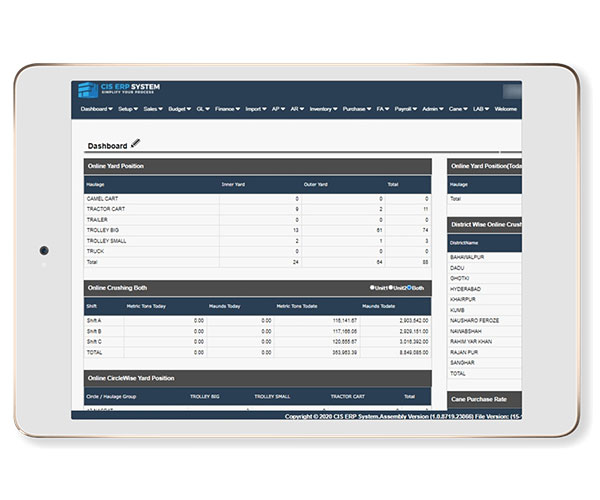
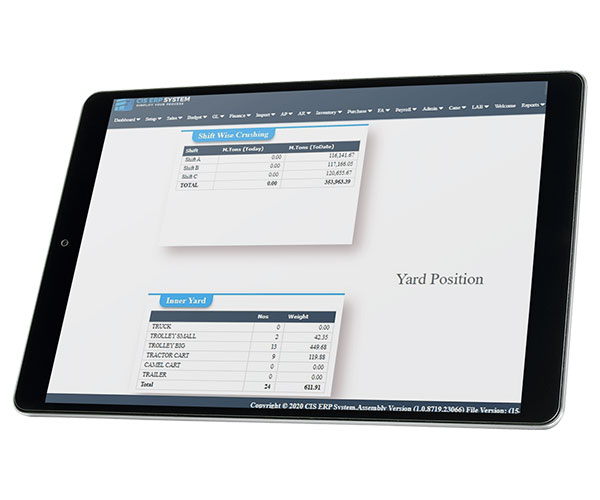
An ERP gives businesses access to information from different departments in one place. Managers can use sales, inventory, financial, and operational data to identify problems and make more informed decisions.
Scalable Operations
A suitable ERP can support a startup as it adds users, handles more transactions, expands its operations, or introduces new business functions. This reduces the need to replace the system every time the business reaches another stage of growth.
Key Benefits of ERP for Startups
A startup can use ERP software to manage several important areas of its business.
Financial Management
CISERP provides tools for general ledger, accounts payable, accounts receivable, and fixed asset management. These features help startups organize financial transactions, monitor cash flow, and generate financial reports.
Inventory Management
For product-based startups, controlling inventory is essential. ERP software provides visibility into available stock, items on order, and allocated inventory. Businesses can also set minimum stock levels to help identify when replenishment is needed.
Better inventory control can reduce both unnecessary stock and the risk of running out of products.
Sales and Purchasing
ERP can connect the sales and purchasing processes. Businesses can manage quotes, orders, invoices, vendor information, purchase orders, deliveries, and payments through one system.
When these functions are connected, sales and purchasing teams have better visibility into what has been ordered, what needs to be purchased, and what is available.
HR and Payroll
Even small teams need accurate payroll and employee records. CISERP’s payroll module supports up to 50 employees and includes time tracking, leave management, loan management, and overtime calculations.
Challenges of Implementing ERP
ERP can provide significant benefits, but startups should also consider the challenges.
Cost
ERP involves software, implementation, and training costs. Startups should compare these costs with their existing software subscriptions, manual work, errors, and other operational expenses before making a decision.
CISERP’s listed pricing includes a Core ERP package at PKR 10,000 per month and an implementation cost of PKR 75,000. These figures should be confirmed with CISERP before publication or purchase, as pricing can change.
Employee Adoption
Employees may initially resist a new system because they are familiar with existing processes. Involving users early and providing proper training can make the transition easier.
Data Migration
Moving existing financial, customer, inventory, and other business data into an ERP requires planning and verification. Data should be reviewed and cleaned before migration to reduce errors.
How to Implement an ERP System
Start by identifying the processes that create the most problems. This could include inaccurate inventory, slow invoicing, manual reporting, or disconnected financial information.
Next, choose the deployment option that fits your business. CISERP offers both cloud and on-site deployment.
Cloud ERP
- Access from different locations
- Lower upfront infrastructure requirements
- Easier scaling
- Less internal IT maintenance
On-Site ERP
- Greater control over the hosting environment
- Less dependence on internet connectivity for system access
- Ability to use existing hardware infrastructure
After selecting the setup, prepare and migrate your data, train employees, test important workflows, and then move to the live system.
CISERP’s implementation package includes master data transportation, opening balance setup, chart of accounts guidance, item master assistance, and training.
Why Choose CISERP?
CISERP provides ERP solutions for businesses in Pakistan and supports industries including sugar, food, textiles, and others. Its offerings include financial management, inventory, sales, purchasing, payroll, and other business functions.
For startups, the ability to begin with core requirements and expand as the business grows can make ERP adoption more manageable.
FAQs
Q1: Is ERP software suitable for startups?
Yes. ERP can be useful for startups that need to connect financial, inventory, sales, purchasing, or HR processes. The right system should match the startup’s current requirements while allowing room for growth.
Q2: What are the main benefits of ERP for startups?
The main benefits include centralized business data, reduced manual work, better inventory and financial control, improved reporting, and greater visibility across business functions.
Q3: How much does ERP software cost for a startup?
ERP costs vary depending on the software, modules, users, implementation, and deployment method. CISERP’s listed Core ERP package is PKR 10,000 per month, with implementation listed separately at PKR 75,000. Current pricing should be confirmed before making a purchase.
Conclusion
ERP software can give startups a more organized way to manage their finances, inventory, sales, purchasing, and employees as they grow. Instead of relying on multiple disconnected tools, businesses can bring important processes together and reduce repetitive manual work.
The key is to choose an ERP that fits the startup’s current needs without limiting future growth. With the right implementation and employee training, an ERP system can provide a stronger foundation for scaling operations.