A salary discrepancy can turn payday into a difficult conversation. An employee may question an overtime payment, HR may discover an outdated salary figure, or finance may need to recalculate deductions just before transferring salaries. For a growing Pakistani business, these issues can consume valuable time and weaken employee confidence.
At CISERP, we view payroll as more than a monthly calculation. It connects employee records, financial accuracy, tax responsibilities, and internal controls. Payroll software in Pakistan helps businesses organise these moving parts through a structured process, making salary preparation easier to review and manage.
What Is Payroll Software and Why Do Businesses Need It?
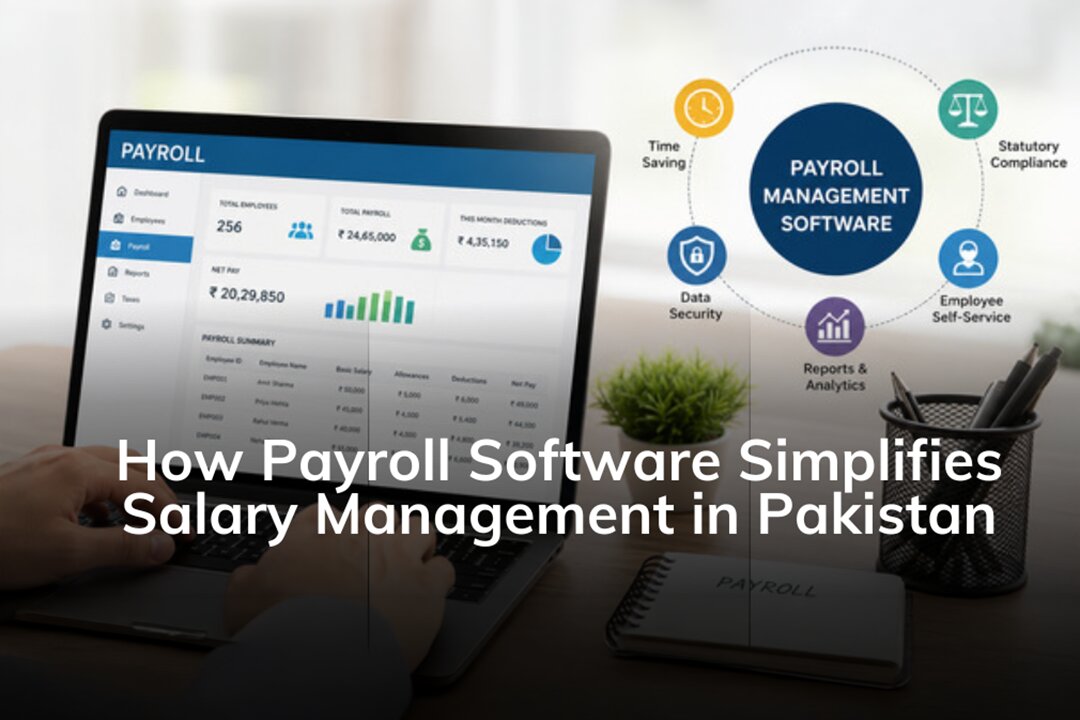
Payroll software is a digital solution that helps businesses calculate employee earnings, account for applicable deductions, prepare payslips, and maintain salary records. Instead of depending on disconnected spreadsheets, teams can manage payroll information through a more organised workflow.
For Pakistani businesses, this process involves fixed salaries, allowances, overtime, unpaid leave, bonuses, income tax, and applicable employment contributions. Each item requires accurate information and consistent treatment.
A suitable payroll system helps businesses:
- Standardise salary calculations across departments.
- Maintain accessible records of payments and deductions.
- Reduce repetitive data entry and calculation errors.
- Prepare payroll summaries for financial review.
- Support compliance checks with organised documentation.
The software supports the process, but management must still approve payroll, verify records, and confirm that the system reflects current legal requirements.
How Payroll Software Improves Employee Salary Management
1. Calculates Salaries Using Defined Rules
Different employees may have different compensation structures. Some receive fixed monthly salaries, while others earn commissions, overtime, or performance-based payments.
Payroll software in Pakistan allows businesses to configure salary components and apply the relevant calculation rules consistently. HR teams can update approved changes, such as a promotion or revised allowance, before processing the next payroll cycle.
This approach reduces dependence on manually maintained formulas. It also helps finance teams investigate unusual figures instead of recalculating every employee’s salary individually.
2. Connects Attendance Records With HR Payroll Software
Attendance records affect salaries when working hours, leave, or overtime change an employee’s pay. Payroll software helps HR track attendance and apply approved adjustments before calculating salaries.
Businesses should establish clear rules for late arrivals, leave, overtime, and attendance corrections. Automation cannot resolve inaccurate records on its own, so managers must validate the information before payroll processing.
3. Supports Accurate Tax and Contribution Records
Salary tax in Pakistan depends on an employee’s taxable income and the current tax year. Employers should follow the latest FBR withholding tax rates and meet applicable reporting requirements instead of relying on outdated calculations.
HR payroll software helps businesses organise salary records, deductions, and payroll reports. Employers should also confirm whether EOBI and provincial social security contributions apply and configure the system to meet current official requirements.
4. Produces Consistent Payslips
Employees need a clear explanation of their gross salary, allowances, deductions, and take-home pay. When payroll teams prepare statements manually, formatting differences or missing details can make salary queries harder to resolve.
Standardised payslips clearly show employees their salary, allowances, and deductions. They also help HR respond to salary queries and provide previous salary records when needed.
Businesses should verify all figures before sharing payslips to ensure accurate records and clear communication. Consistent documentation makes payroll communication clearer for both employees and management.
From Manual Calculations to a Controlled Payroll Process
Consider a Karachi-based distribution company with 80 employees across sales, warehouse, and administration. Its payroll team receives attendance sheets from several departments, updates salary changes in a spreadsheet, and calculates overtime separately.
Before payday, the team must reconcile the records and investigate differences. Missing overtime approvals or outdated allowances can delay the final review.
With a structured payroll process, the company can centralise employee records, verify attendance, automate salary calculations, and generate payroll reports. HR can check discrepancies while finance reviews payments before approval.
Businesses can measure improvements by tracking payroll processing time, salary corrections, and on-time payments.
How Better Payroll Records Improve Financial Decisions
A well-organised payroll process can support:
- Budget monitoring: Compare actual salary expenses with approved departmental budgets.
- Cost analysis: Review overtime, bonuses, and other compensation components.
- Financial reconciliation: Match approved payroll totals with payment records and accounting entries.
- Historical comparisons: Investigate changes in salary expenses across reporting periods.
- Audit preparation: Retrieve relevant payroll records when authorised reviewers request them.
Effective employee salary management depends on more than generating reports. Businesses should reconcile payroll totals, restrict access to confidential records, and document corrections to keep financial information reliable.
What to Check Before Choosing Payroll Software in Pakistan
At CISERP, we recommend evaluating a payroll solution against your actual business process instead of choosing one based only on its feature list.
Before making a decision, assess these requirements:
- Salary flexibility: Can the system handle your salary structures, allowances, bonuses, and authorised deductions?
- Local compliance: Can you configure the relevant tax year and applicable employment contributions, and how does the provider communicate updates?
- Reporting: Can your team retrieve payslips, payroll summaries, and historical records without unnecessary manual work?
- Security: Does the solution provide appropriate access controls and safeguards for confidential employee information?
- Integration: Can it work with your existing accounting, attendance, and HR processes?
- Support and usability: Can your team learn the system, resolve issues, and obtain help when payroll rules change?
Ask the provider to demonstrate a realistic payroll cycle, including a salary revision, an overtime adjustment, and a tax calculation. This helps you assess how the system handles everyday tasks and exceptions before you commit.
Build a More Reliable Payroll Process With CISERP
As businesses expand, payroll needs a repeatable process that links accurate employee information with financial review and the right compliance checks. The Payroll software in Pakistan can help establish that process, provided the solution fits the organisation’s requirements and the team maintains reliable data.
At CISERP, we believe businesses should assess payroll technology by the practical value it delivers: clearer records, more consistent calculations, easier reporting, and stronger oversight. Before adopting a solution, confirm its available payroll capabilities, local compliance support, and integration options.
The right approach gives HR and finance teams a clearer process to follow while helping management make decisions using dependable salary information.
FAQs
Q1: Can payroll software calculate salary tax in Pakistan?
A: Yes, if the system supports the applicable tax rules and uses the correct tax year and employee information. Employers should verify calculations against the latest FBR guidance.
Q2: Is payroll software suitable for small businesses?
A: Yes. Small businesses can use it to standardise salary calculations, maintain employee records, and prepare payslips as their workforce grows.
Q3: How does payroll software reduce salary errors?
A: It applies configured calculation rules and uses maintained employee data, reducing repeated manual entry. Teams must still verify attendance, salary changes, deductions, and approvals.
Q4: What should businesses check before buying payroll software?
A: Review salary calculation options, local tax settings, reporting, security, integrations, and provider support. Confirm how the system handles updates to relevant rules.