Managing clients, sales, and day-to-day operations can become complicated when teams rely on separate systems. Sales may use one set of records, while finance and operations use different information. This can lead to duplicate data, missed updates, and slower decision-making.
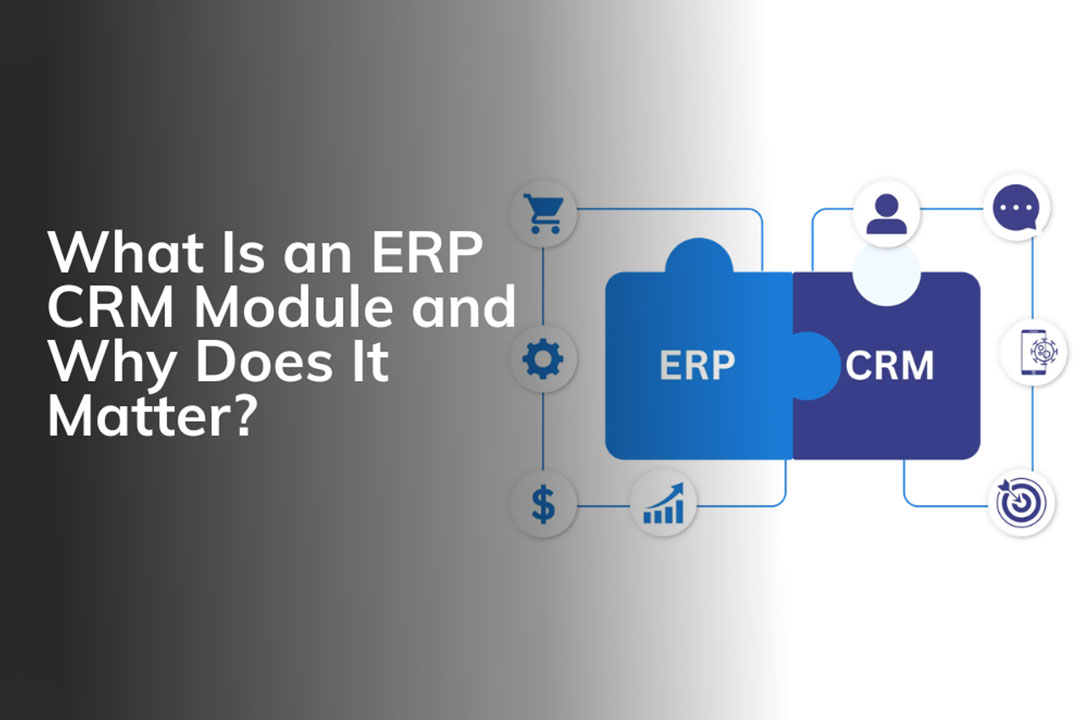
An ERP CRM module brings relationship management into an enterprise resource planning environment, connecting customer-facing activities with wider operational processes.
What Is an ERP CRM Module?
This module is a built-in part of an ERP platform that helps businesses manage relationships and sales alongside accounting, inventory, purchasing, and order management.
Instead of storing client data in a separate system, teams can manage leads, contacts, opportunities, quotes, and customer interactions from one platform. Sales teams can also access information from other areas of the business, giving them better context when dealing with clients.
For example, a salesperson can check a client’s previous orders or account details while following up on a new opportunity. This makes conversations more informed and reduces the need to switch between different platforms.
What Does a CRM Module Typically Manage?
- Lead management: Capture and organize potential buyers.
- Contact management: Keep client details and communication records in one place.
- Opportunity tracking: Follow prospects as they move through the sales pipeline.
- Sales activities: Track calls, meetings, follow-ups, and tasks.
- Quotations: Create, send, and monitor quotes before an order is confirmed.
- Customer history: View previous purchases and interactions to understand each client better.
Because the module sits within the wider ERP system, this information can connect with accounting, inventory, order fulfilment, and reporting. Teams can therefore work with the context they need without jumping between separate systems.
Why Does It Matter?
The biggest advantage is how it connects commercial activity with the rest of the business. Instead of relying on separate records, teams can work with the same information across departments.
For sales teams, this makes client conversations easier. They can quickly check product availability, order status, pricing, or account details without chasing information from another department.
It can also reduce routine data entry. When platforms share information, teams don’t have to enter the same order details multiple times, saving time and reducing errors.
Ultimately, this makes sales management software more practical because sales activity stays connected to what happens before and after a deal is closed.
How Does CRM ERP Integration Work?
When a company uses separate CRM and ERP systems, their integration allows the two platforms to share relevant information.
For example, once a deal is closed in the CRM, the details can be passed to the ERP to start the order process. Sales teams can then see updates such as stock availability, invoicing, or payment status without checking with another department.
The setup varies by software, but the main purpose is simple: keep commercial and operational data in sync so teams can act on up-to-date information.
How CISERP Can Help
CISERP brings core business functions together in one connected platform, helping teams manage client information alongside sales, inventory, accounting, and other operational processes. With commercial and operational data in one place, teams can spend less time switching between systems and more time focusing on clients and growth.
Who Can Benefit From an ERP CRM Module?
An integrated module can be particularly useful for businesses with growing sales teams, larger client bases, or more complicated order and fulfilment processes.
It becomes even more valuable when sales, finance, customer service, and operations need to coordinate regularly. With client information tied to the processes that support it, teams can manage relationships more efficiently as the business grows.
FAQs
Q1: Is CRM part of ERP?
A: Some ERP platforms include CRM as a native module, while others connect with separate CRM applications. The right option depends on the platform and the organisation’s requirements.
Q2: What is the difference between CRM and ERP?
A: CRM focuses mainly on customer relationships, sales, marketing, and service, while the latter covers broader functions such as finance, inventory, purchasing, and operations. When connected, they provide a more complete view of customers and organisational activity.
Q3: Does an ERP CRM module replace sales software?
A: It can replace a separate CRM or sales tool when its features meet the organisation’s needs. However, companies with more advanced commercial requirements may still choose a dedicated CRM connected to their ERP.
Q4: Why is CRM ERP integration important?
A: It helps connect client-facing and back-office information, reducing duplicate data entry and giving teams better visibility across sales, orders, inventory, and financial activity.
Q5: What should I look for in an ERP CRM module?
A: Look for features that match your sales process, such as contact management, lead tracking, quotations, customer history, reporting, and integration with accounting and inventory functions.
Q6: Can an ERP CRM module improve customer service?
A: Yes. When client information, order history, and related operational data are accessible in one system, teams can respond to customer questions more quickly and with better context.