Business growth feels messy when systems don’t talk. Many owners struggle to understand the types of ERP software today. This confusion often slows down decisions and affects daily operations badly. However, the right enterprise resource planning choice can change everything quickly. It brings clarity, control, and better planning for teams.
In this guide, we explain the types in simple terms so you can choose what fits your business needs. Moreover, CISERP helps businesses across the sugar, food, and textile industries. It offers practical solutions that improve speed and reduce errors. As a result, business owners make smarter choices with confidence.
Let’s break down each option step by step below for clarity. This will help you avoid confusion and pick the right system. Stay focused on what truly supports your growth today.
What are the Four Types of ERP?
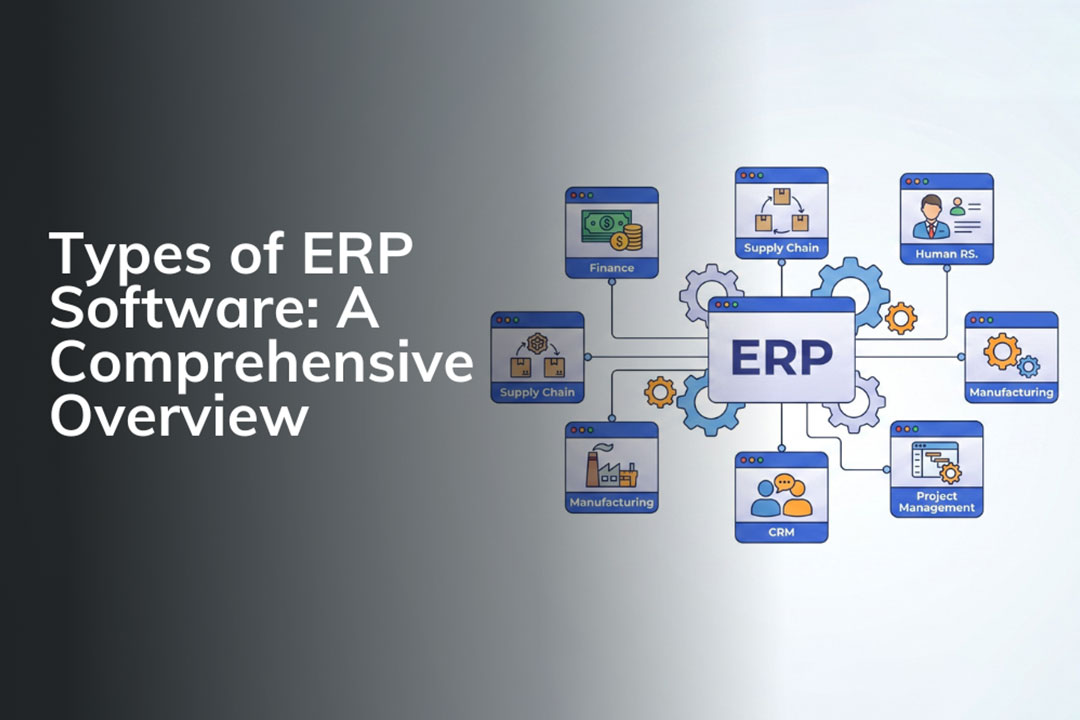
Businesses often ask, What are the four types of ERP? The main types of ERP software include cloud, on-premise, hybrid, and industry-focused systems. Each option supports different business needs and growth stages. Understanding them helps you avoid costly mistakes later. We offer guidance to match the right system with your goals.
Cloud ERP Software (Cloud-Based ERP)
Cloud ERP gives access anytime with an internet connection. Many call it cloud-based for its flexibility and speed. It reduces setup costs and helps teams work remotely. Moreover, we support cloud-based enterprise resource planning solutions for growing companies. This makes operations smooth and easy to manage daily. It also helps businesses scale without heavy infrastructure costs.
On-Premise ERP Systems
On-premise works directly on company servers. It suits businesses that prefer full control and security. CISERP installs onsite systems at client locations with training support. This option fits industries needing stable internal systems. Among all the types, this one suits strict data control needs.
Hybrid ERP systems
Hybrid ERP systems combine cloud and on-premise features. Many businesses prefer these systems for balanced control. They allow flexibility while keeping sensitive data secure. We help clients design Hybrid systems based on operations.
Retail distribution software in ERP
ERP also supports retail distribution software needs in many industries. Retail distribution software helps manage stock, sales, and supply flow. We integrate retail distribution software tools for real-time tracking. This improves accuracy and reduces product waste. Many businesses use enterprise resource planning to strengthen retail distribution software performance.
Benefits of Cloud-Based ERP
Lower Setup Costs
It removes heavy infrastructure costs, so businesses start quickly without a large upfront investment. This helps small and growing companies manage budgets with more confidence.
Access from Anywhere
Teams can use a cloud-based system from any location, which helps owners stay in control even while travelling. Besides, it also improves collaboration between teams working in different places.
Faster Implementation
You can deploy cloud-based enterprise resource planning much faster compared to traditional systems, which saves time and effort. This allows businesses to start operations without long waiting periods.
Automatic Updates
The system updates regularly without manual work, so your software always stays current and efficient. It also reduces the need for technical maintenance from your side.
Easy Scalability
Cloud-based grows with your business, so you can expand operations without changing systems. Moreover, this makes it easier to handle growth without operational stress.
Benefits of On-Premise ERP
Full Data Control
On-site enterprise resource planning keeps all data within your company, which gives complete control over sensitive information. Besides, this builds trust when handling confidential business data.
No Internet Dependency
Operations run smoothly without internet access, so there are fewer interruptions in daily workflows. This ensures consistent performance even in low connectivity areas.
Customization Flexibility
Businesses can adjust the on-site based on their specific needs, which improves internal efficiency. It allows processes to match exactly how your business operates.
Strong Security
On-premise offers tight security since all systems stay within internal networks. This reduces exposure to external risks and threats.
Long-Term Stability
This type of ERP works well for companies that prefer stable systems over frequent changes. It supports long-term planning without sudden system shifts.
Is SAP an ERP?
SAP works as a complete ERP system for businesses. It supports finance, supply chain, and operations management. Many compare SAP with other types of enterprise resource planning software in the market.
Why CISERP stands out
We focus on practical solutions for real businesses. We support companies in the sugar, food, and textile industries. Our team explains the types of ERP software before every setup. We offer cloud, on-site, and hybrid systems with full guidance. Core enterprise resource planning assists small businesses in starting fast at a low cost.
Moreover, we also complete the setup in 25 hours for faster results. Our experts are available for support and updates anytime. This ensures smooth growth and fewer system issues.