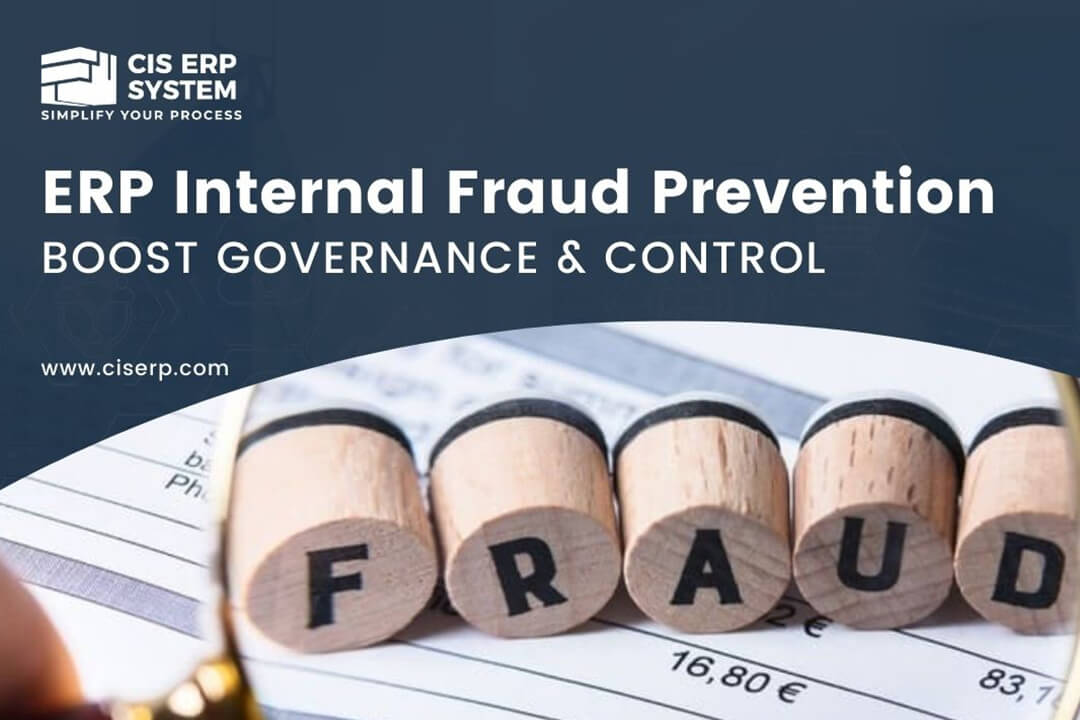
Have you ever worried that someone inside your company might steal from you? It is a real fear for many business owners. ERP internal fraud prevention can feel overwhelming, but it does not have to be. When you run a business, you want systems that help you grow, not systems that hide risks. ERP systems bring many advantages, yet fraud and errors can still happen if you do not act. With more transactions happening inside your ERP, internal threats can hurt your profits and reputation. Fortunately, with the right steps and tools, you can reduce these risks and increase trust and control in your operations. Let’s explore how we can protect your business from fraud and strengthen governance.
What Is ERP internal fraud prevention?
It is the set of actions and controls we put in place to stop people inside our company from misusing the ERP system for personal gain. It includes spotting weak areas, fixing them, and giving business owners the confidence that their ERP supports honest and accurate reporting.
Why Fraud Risks in ERP Systems Matter
ERP systems collect and store a lot of critical data. Without strong governance, this data can become a target for fraud or errors. Some common signs of weak internal control include duplicate invoices, fake vendors, and unauthorized transactions. These issues often start with human mistakes, misunderstandings, or intentional misuse. According to industry sources, many ERP forgery cases involve insiders with too much access and too little oversight. That is why we need to focus on fraud risks in ERP systems from day one of implementation.
Protecting ERP From Errors and Fraud With Strong Controls
We must treat protecting ERP from errors and deception as part of good business discipline. Start by mapping out how work flows through your system. That helps you spot where mistakes or dishonest actions could occur. We recommend simple steps such as: clear role definitions, tight approval rules, and regular audits.
Moreover, one key strategy is to use Segregation of Duties (SoD) so no one person can complete a high-risk task alone.
For example, someone who creates a vendor should not be able to approve payments for that vendor. This basic control alone reduces errors and scam significantly.
Build Real-Time Fraud Alerts in ERP
A powerful tool in ERP internal fraud prevention is real-time monitoring and alerts. With real-time fraud alerts in ERP, you see unusual transactions as they happen. Modern ERP systems allow dashboard views of daily transactions and can automatically flag activity that looks odd. For example, if someone suddenly approves a much larger invoice than usual, the system can alert you or a manager. This approach helps you act quickly before fraud grows into a bigger problem.
Common Fraud Issues in ERP to Watch For
Fake Vendors and Ghost Accounts
One major risk of deception involves fake vendors. An employee may create a vendor record with a personal bank account. Payments then move out without notice. Without checks, this fraud can run for months.
Duplicate and Altered Invoices
Another frequent issue involves duplicate invoices. Someone may submit the same invoice twice or change values before approval. Weak review processes allow these errors and fraud to pass through unnoticed.
Excessive User Access Rights
Too much access creates serious risk. When one user controls creation, approval, and payment, scam becomes easy. This problem links directly to poor role design and missing segregation of duties.
Unauthorized Data Changes
Some users quietly change pricing, inventory levels, or payment terms. These actions distort reports and hide losses. Without tracking and alerts, these changes stay invisible.
Delayed Detection Due to Poor Monitoring
Forgery often continues because no one watches daily activity. Without real-time fraud alerts in ERP, suspicious behavior looks like normal work. That delay increases losses and stress.
Training Teams and Setting Expectations
People cause most enterprise retail processing fraud risks, so we must train our teams. Make sure every employee who uses your ERP understands the rules and knows their responsibilities. When everyone knows what to do, errors drop and people take ownership of accuracy. Also, open communication encourages employees to report something that feels wrong without fear. This social layer of governance is as important as the technical controls.
Regular Audits and Continuous Reviews
Audits are not just for compliance reports. Regular checks help you spot problems early. By reviewing logs, approvals, and changes, you identify patterns that could lead to issues. Continuous auditing keeps your ERP clean and safe. It also sends a message that you care about integrity and accountability in everyday operations.
Combine Technology and Common Sense
For effective ERP internal fraud frevention we must use both technology and clear policies. Automated tools help identify risk quickly. Strong policies help people behave correctly. Together, they reduce your chances of fraud and mistakes and improve your decision making.
Conclusion
ERP internal fraud prevention starts with clear controls, real-time alerts, and shared responsibility. By acting on these, we improve governance and protect our business from harm. Stay vigilant, stay informed, and treat prevention as a core part of your growth strategy.